By The Simple Life Colorado
Relocating to places like Winter Park, Fraser, Granby, Golden, Lakewood, or Englewood often comes with a lifestyle upgrade, but social routines don’t automatically follow. Many buyers focus on the home itself and underestimate how much daily connection shapes long-term satisfaction.
In mountain towns and Front Range cities alike, the fastest way to feel settled is to plug into existing rhythms rather than waiting for relationships to form on their own. This guide focuses on specific, proven ways locals actually build relationships after a move.
Key Takeaways
-
Community routines matter more than first impressions
-
Local gathering places accelerate familiarity
-
Shared interests drive real connections
Start With Where Locals Already Gather
Every Colorado town has built-in social infrastructure that new residents can use immediately. In Winter Park and Fraser, that often means trailheads, ski base areas, and locally owned coffee shops. In Golden, Lakewood, and Englewood, parks, rec centers, and neighborhood breweries play that role.
Places Locals Use Daily
-
Rec centers: Golden Community Center and Englewood Recreation Center
-
Coffee shops: Small Wonder Coffee in Golden, Ziggis Coffee in Granby
-
Parks and trails: Clear Creek Trail, Lakewood’s Bear Creek Greenbelt
-
Base areas: Winter Park Resort village spaces year-round
Spending time in these places helps you stay connected in a new community without forcing introductions or formal networking.
Use Outdoor Culture as a Social Shortcut
Colorado’s outdoor culture is one of its strongest social connectors. People expect to meet others while hiking, skiing, biking, or walking dogs.
Outdoor-Based Connection Points
-
Group hikes: Golden Gate Canyon and Fraser Valley trails
-
Ski programs: Adult clinics at Winter Park Resort
-
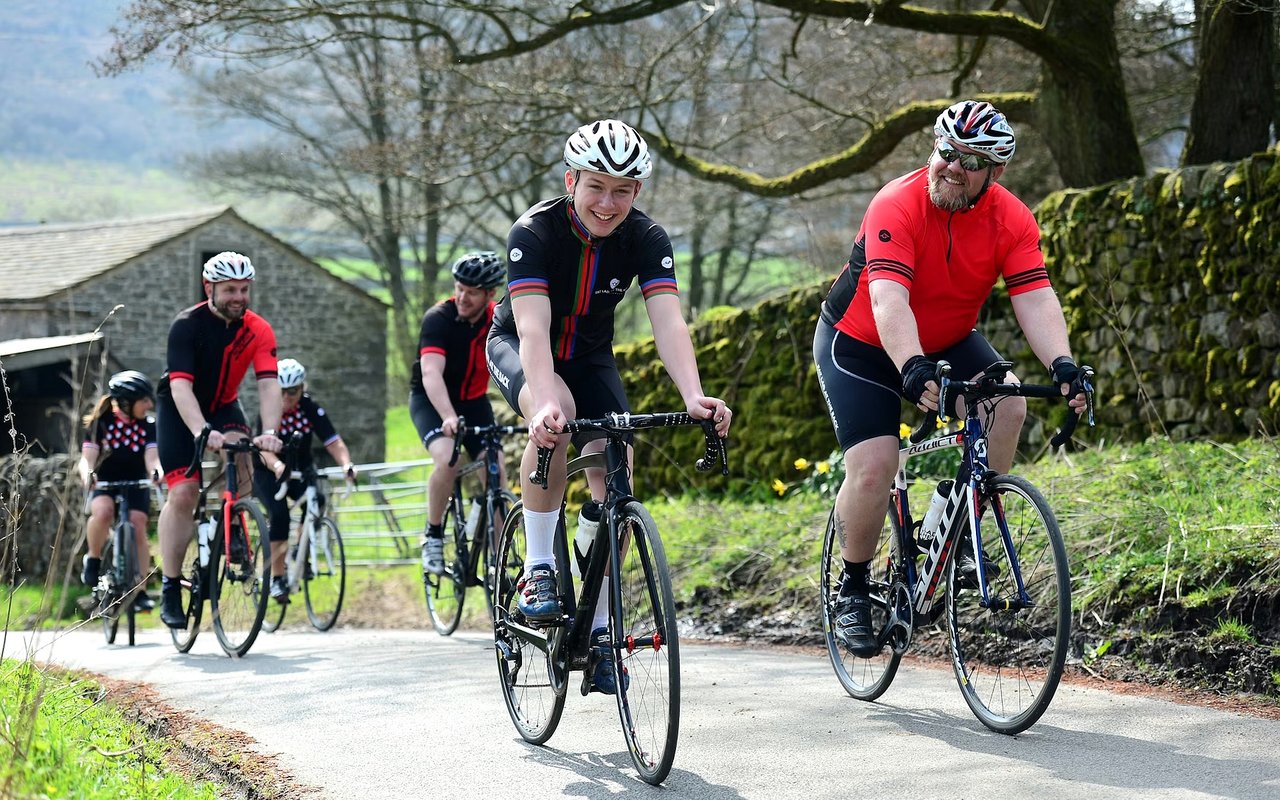
Cycling groups: Lakewood and Golden road and gravel rides
-
Dog parks: Englewood and Lakewood neighborhood parks
Outdoor activities remove the awkwardness of small talk and make it easier to stay connected in a new community through shared experience.
Get Involved at the Neighborhood Level
A smaller geographic focus leads to stronger relationships. Whether you’re in a mountain town or a Front Range suburb, neighborhood-level involvement creates faster recognition and trust.
Hyper-Local Ways to Engage
-
HOA or metro district meetings: Common in Fraser and Granby
-
Neighborhood events: Block gatherings in Lakewood and Englewood
-
Local volunteer days: Trail maintenance or town cleanups
-
Library programs: Golden Library community talks
These settings help make friends in a new city by keeping interactions consistent and relevant.
Leverage Local Businesses Intentionally
Independent businesses are informal community hubs. Owners and staff often introduce regulars to one another, especially in smaller towns like Winter Park or Granby.
Businesses That Encourage Interaction
-
Breweries: New Terrain Brewing in Golden, local taprooms in Fraser
-
Fitness studios: CrossFit, Pilates, and spin studios
-
Specialty shops: Bike and ski shops with group events
-
Markets: Locally owned grocery and specialty food stores
Becoming a regular accelerates recognition and helps you stay connected in a new community through familiarity.
Say Yes Before You’re Comfortable
Many new residents decline early invitations because schedules feel unsettled. In Colorado towns, early participation often determines how quickly relationships form.
Low-Pressure Invitations Worth Accepting
-
Group hikes or rides: Even if skill levels vary
-
Community events: Seasonal festivals and town days
-
Casual meetups: Coffee, walks, or après gatherings
-
Volunteer projects: One-day commitments
This mindset directly supports making friends in a new city without overthinking timing or preparedness.
Understand Social Differences Between Towns
Each town has its own social pace. Mountain communities often bond through activity, while Front Range towns mix lifestyle and convenience.
Social Patterns by Area
-
Winter Park / Fraser: Activity-driven, seasonal rhythms
-
Granby: Slower pace, tight-knit community
-
Golden: Outdoor-focused with great civic pride
-
Lakewood / Englewood: Neighborhood-based, commuter-friendly
Knowing these differences makes it easier to stay connected in a new community without misreading social cues.
Be Patient With the Timeline
Connection doesn’t happen overnight. Most residents report feeling socially settled between six and twelve months after a move. The key is steady participation, not constant effort.
What Builds Long-Term Connection
-
Consistency over intensity: Show up regularly
-
Shared responsibility: Volunteer or join groups
-
Local loyalty: Support nearby businesses
-
Open scheduling: Leave room for invitations
This approach reinforces the idea that making friends in a new city is a process rather than a task.
FAQs
How long does it take to feel connected after moving?
Most people feel established within six to twelve months.
Are mountain towns harder to break into socially?
They can feel tight-knit, but shared activities make introductions easier.
Do walkable areas help with social connection?
Yes, proximity increases casual interaction and familiarity.
Contact The Simple Life Colorado Today
If you’re relocating to Winter Park, Fraser, Granby, Golden, Lakewood, or Englewood, choosing the right neighborhood matters as much as the home itself. Community structure, access points, and daily routines all influence how easily connections form after closing.
Reach out to us at
The Simple Life Colorado, and we’ll help you find a home that supports your lifestyle, routines, and long-term sense of belonging.