By The Simple Life Colorado
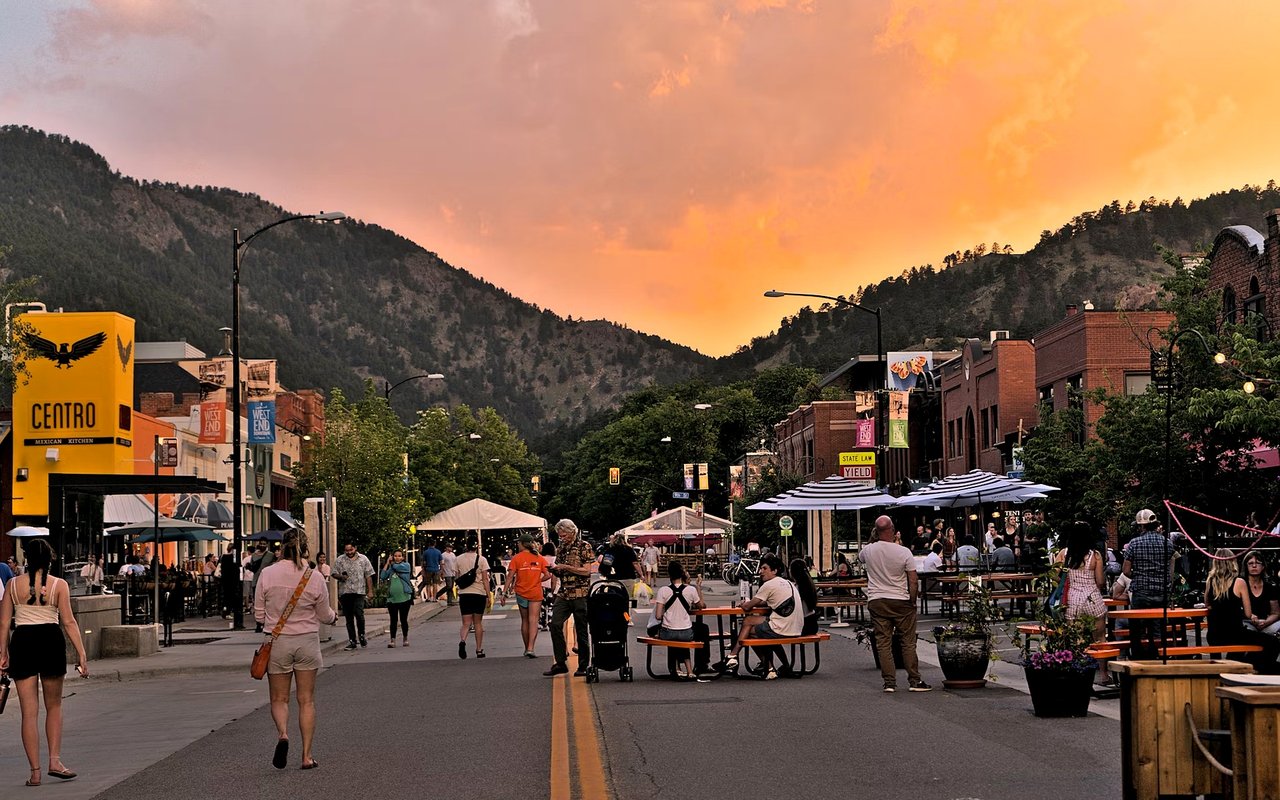
In Denver and Boulder, walkability is measurable in terms of block length, trail access, retail density, and daily routines. Neighborhoods like LoHi, Capitol Hill, Cherry Creek North, Pearl Street, and Whittier were built before car dependency shaped development patterns, which means daily errands rarely require a vehicle.
Buyers relocating from car-centric suburbs often underestimate how much this changes daily life. Walkability reshapes how residents use time, money, and even their homes.
Key Takeaways
-
Walkability changes daily routines and spending habits
-
Denver and Boulder offer distinct walkable lifestyle patterns
-
Property value correlates with pedestrian access
-
Walkable living supports long-term ownership goals
Why Walkability Matters in Denver and Boulder
In Denver, grid-based layouts and mixed-use zoning support pedestrian activity, while Boulder’s compact downtown and trail systems reinforce non-car mobility. These environments allow residents to integrate errands, recreation, and social life without having to plan around traffic or parking.
Daily Advantages Residents Notice First
-
Short errand loops: Groceries, coffee, and fitness within blocks
-
Time efficiency: Fewer vehicle-dependent trips
-
Lower transportation costs: Reduced fuel and maintenance needs
-
Spontaneous social interaction: Streets designed for people
These patterns highlight both the benefits of walkable neighborhoods and broader urban living advantages tied directly to lifestyle convenience.
Neighborhoods Where Walkability Shapes Lifestyle
Not all walkable areas function the same way. Denver and Boulder offer distinct expressions of pedestrian-friendly living shaped by density, retail mix, and transit access.
Examples of Highly Walkable Areas
-
LoHi (Denver): Restaurants, coffee shops, and trails converge near downtown
-
Capitol Hill: Historic density with everyday retail access
-
Cherry Creek North: High-end shopping within residential blocks
-
Pearl Street (Boulder): Pedestrian mall anchored by dining and culture
In these areas, the benefits of walkable neighborhoods translate into daily ease rather than occasional convenience.
How Walkability Impacts Home Design and Use
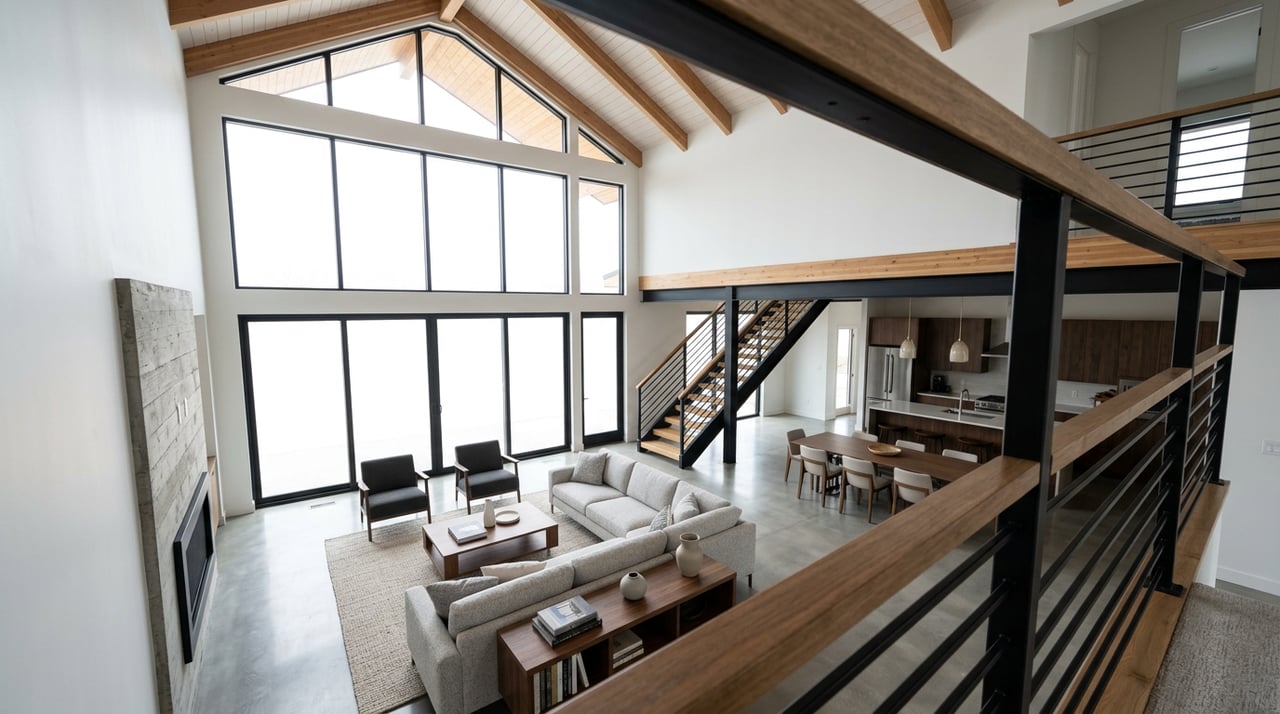
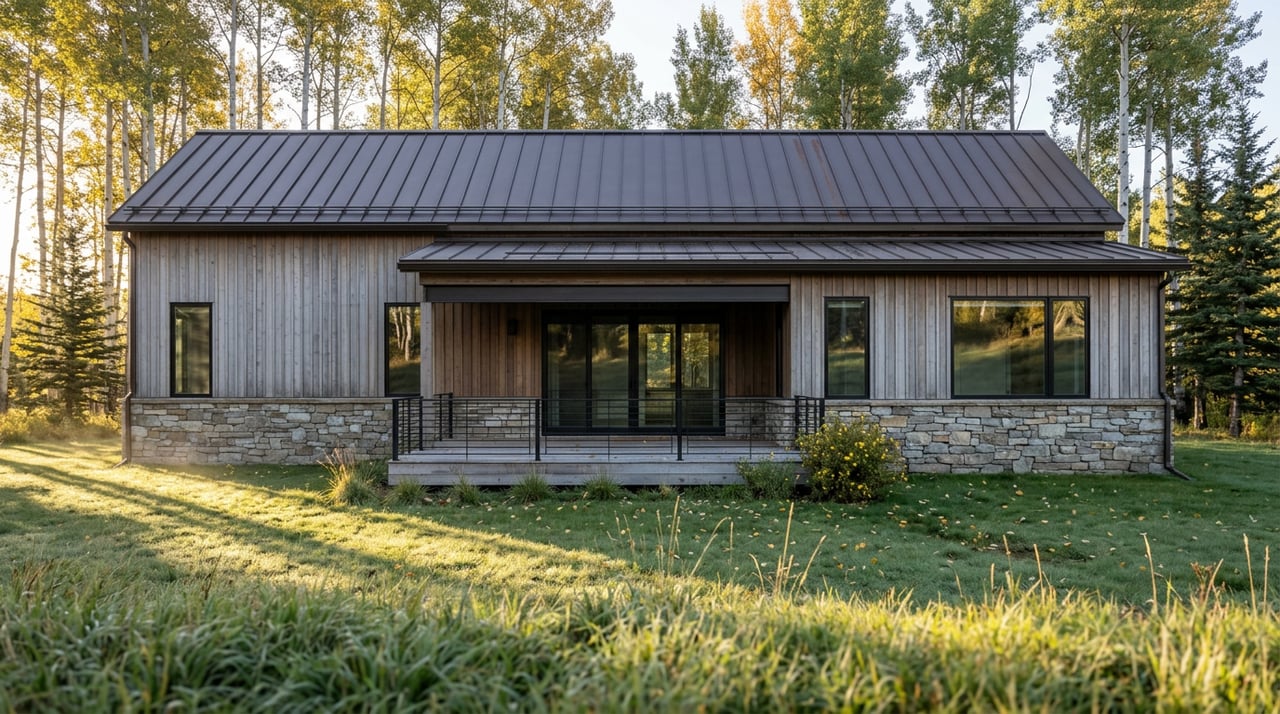
Homes in walkable areas often function differently from those in auto-dependent neighborhoods. Buyers prioritize outdoor space, storage efficiency, and flexible interiors over oversized garages or long driveways.
Common Home Features in Walkable Areas
-
Smaller garages or carports: Less reliance on vehicles
-
Outdoor patios or balconies: Extensions of neighborhood life
-
Efficient floor plans: Optimized for active lifestyles
-
Proximity-focused layouts: Front doors oriented toward streets
These features align with how residents actually use space when daily needs are nearby.
Financial Upside of Walkable Living
From a real estate perspective, walkability supports long-term value. Properties in pedestrian-friendly areas tend to maintain demand across market cycles because convenience never goes out of style.
Market Impacts of Walkability
-
Stronger resale demand: Broad buyer appeal
-
Lower vacancy risk: Desirable for owners and renters
-
Stable pricing trends: Less volatility over time
-
Rental flexibility: Attractive for long-term and executive rentals
In Denver and Boulder, buyers consistently pay premiums for locations that offer both access and livability.
Transportation Flexibility Without Car Dependence
Walkable neighborhoods reduce dependence on vehicles. In Denver, light rail, bus corridors, and bike infrastructure complement pedestrian access. Boulder’s trail network and transit system create similar flexibility.
Mobility Options That Support Walkability
-
RTD rail and bus lines: Connect neighborhoods efficiently
-
Bike lanes and trails: Extend walkable zones
-
Car-sharing services: Reduce ownership necessity
-
Ride-hailing access: Fill occasional gaps
Residents gain choice rather than limitation, a central benefit of walkable neighborhoods.
Health and Routine Improvements
Living in a walkable area naturally increases daily movement without formal exercise planning. In Denver and Boulder, where outdoor culture already thrives, walkability integrates seamlessly with active lifestyles.
Everyday Wellness Benefits
-
Increased daily steps: Built into routine
-
Reduced sedentary time: Less driving
-
Mental clarity: Outdoor exposure and movement
-
Social engagement: Regular neighborhood interaction
These outcomes illustrate how the advantages of urban living extend beyond convenience to the overall quality of life.
Choosing the Right Walkable Neighborhood
Not every buyer wants the same level of density or activity. For instance, some prefer quiet walkability with limited nightlife, while others want constant energy.
Questions Buyers Should Ask
-
What errands do I want within walking distance?
-
How much activity feels comfortable daily?
-
Do I want transit access nearby?
-
Is nightlife or quiet more important?
Answering these questions helps buyers maximize both walkable neighborhoods benefits and urban living advantages.
FAQs
Are walkable neighborhoods more expensive in Denver and Boulder?
Often, yes, but they also offer long-term value, stability, and lifestyle savings.
Do walkable areas work for families?
Many do, especially neighborhoods near parks, trails, and daily services.
Is walkability important for resale?
Absolutely. Buyer demand consistently favors accessible locations.
Contact The Simple Life Colorado Today
If you’re considering a move within Denver or Boulder and want to understand how walkability affects daily life, property value, and long-term enjoyment, I can help you evaluate the right fit. Choosing a walkable neighborhood makes life more convenient, aligning your home with how you actually live.
Reach out to us at
The Simple Life Colorado, and we’ll help you identify neighborhoods where walkable neighborhoods and urban living advantages support your lifestyle and real estate goals.