Starting your first home garden is an incredibly rewarding experience, especially when you live in an area as naturally stunning as Fraser, Fraser Valley, and Grand County. The region’s cool climate, high elevation, and short growing season offer both challenges and opportunities, making it important to understand how to garden successfully in Zones 3 and 4. With the right preparation, plant selection, and maintenance approach, even beginners can grow thriving vegetable beds, vibrant flowers, and nourishing herb gardens.
Whether you dream of harvesting your own fresh produce or creating a colorful outdoor oasis, this guide provides clear steps to help you get started with confidence.
Understand Your Growing Zone
Gardening success begins with knowing your USDA Hardiness Zone. Much of Grand County, including Fraser and Fraser Valley, falls into Zones 3 and 4. These zones have long, cold winters and relatively short summers, which impacts what plants you can grow and when to plant them.
In practical terms, this means:
- Look for cold-hardy vegetables, herbs, and flowers
- Expect planting to begin later, often between late May and mid June
- Plan for overnight frost risks well into spring
- Choose plants labeled for Zone 3 or 4 to ensure survival
Understanding your zone sets the foundation for every garden decision you make.
Choose the Right Location
Even in a cooler climate, the right garden location can significantly improve your success. Vegetables and many flowering plants need at least 6 hours of direct sunlight each day. Spend a few days observing how the sun hits different areas of your yard.
Look for a location that offers:
- Full sun exposure
- Good drainage to prevent roots from sitting in water
- Protection from harsh winds common in Fraser Valley
- Access to a water source
Raised garden beds can be especially beneficial in Zones 3 and 4 because they warm up faster in spring and provide better drainage.
Start with a Small, Manageable Space
As a beginner, it’s easy to get excited and plant more than you can maintain. Starting small ensures you learn as you go without feeling overwhelmed.
Good beginner garden sizes include:
- One or two raised beds
- A single row garden
- A small container garden on a porch or balcony
- A simple herb garden near the kitchen
Once you build confidence and discover what grows well in your specific microclimate, you can expand your garden gradually.
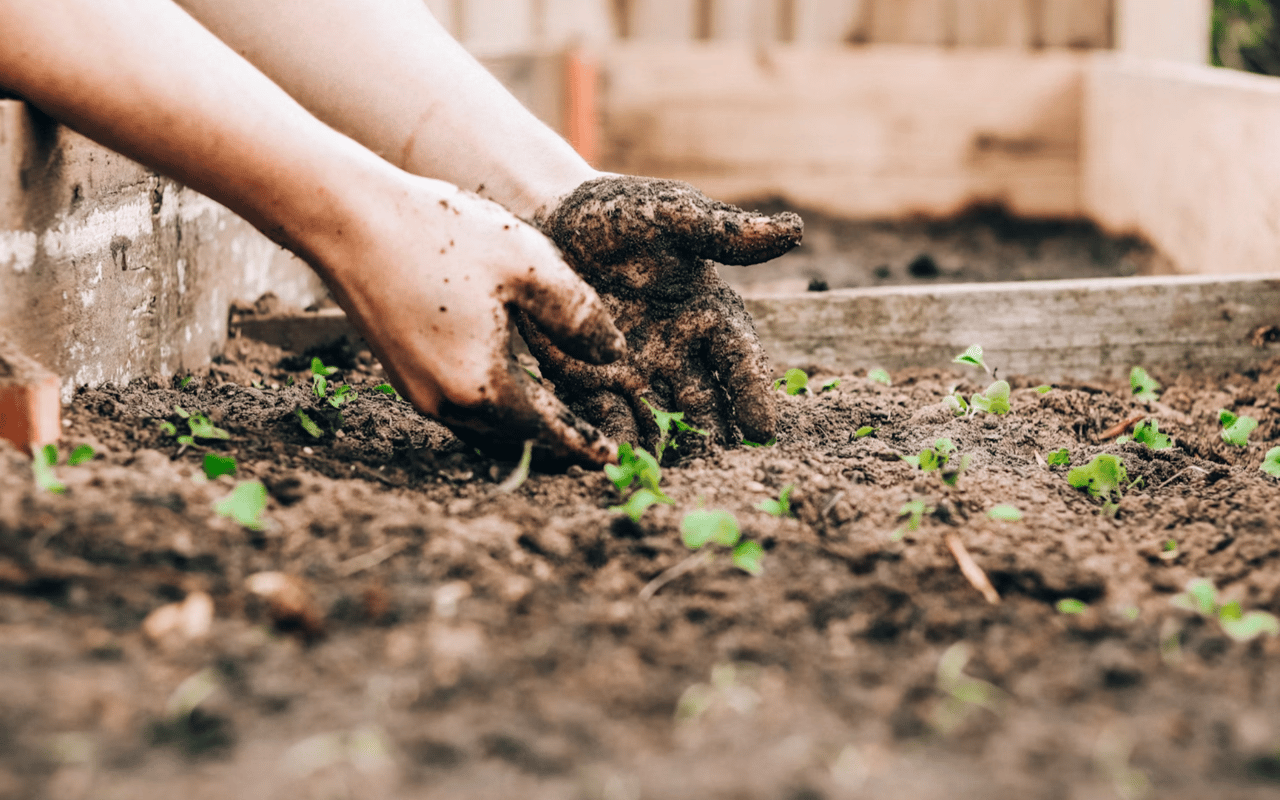
Prepare Your Soil
Mountain soil can be rocky, compacted, or lacking in nutrients, depending on where you live in Fraser or Grand County. Preparing your soil properly is essential for plant health.
Steps to prepare your soil include:
- Remove rocks, roots, and debris
- Loosen the soil to a depth of 8 to 12 inches
- Mix in compost or organic matter to improve fertility
- Add mulch around planting areas to help retain moisture
If your soil has heavy clay or poor texture, raised beds filled with high-quality garden soil may offer better results.
Choose the Best Plants for Zones 3 and 4
Selecting plants that naturally thrive in cooler climates will set you up for success. Many hardy vegetables and flowers grow beautifully in the Fraser Valley region.
Great vegetables for beginner gardeners include:
- Lettuce
- Kale
- Spinach
- Carrots
- Beets
- Potatoes
- Radishes
- Peas
- Broccoli
- Cabbage
Cold-hardy herbs include:
- Chives
- Mint
- Thyme
- Sage
- Parsley
- Dill
Flowers that thrive in Zones 3 and 4 include:
- Lupines
- Columbine
- Pansies
- Daylilies
- Yarrow
- Black eyed Susans
- Coneflowers
- Delphinium
These plants are well-suited for the cool Colorado climate and are more forgiving for beginners.
Start Seeds Indoors for a Head Start
Because growing seasons in Grand County are short, many gardeners start seeds indoors to give plants time to mature. This allows you to transplant them once the last frost has passed.
Common plants to start indoors include:
- Tomatoes
- Peppers
- Broccoli
- Cabbage
- Lettuce
- Herbs like basil and parsley
Start seeds 6 to 8 weeks before outdoor planting. Use seed trays, soil designed for starting seeds, and place them in a sunny window or under grow lights.
Know When to Plant Outdoors
Timing is everything when gardening in Zones 3 and 4. Frost is one of the biggest risks for new plants, so you must plant at the right time.
General guidelines:
- Cold-hardy vegetables like lettuce, peas, and kale can be planted early, even while temperatures are still cool.
- Warm weather plants like tomatoes and peppers must be planted after the last frost, usually in early to mid June for Fraser and Fraser Valley.
- Keep frost blankets or sheets on hand for unexpected cold snaps.
Checking local frost dates and monitoring weather patterns will help you avoid damaging your plants.
Water Wisely in a High Elevation Climate
High elevation areas like Fraser and Grand County have dry air and variable moisture conditions, making consistent watering essential.
Watering tips include:
- Water early in the morning to reduce evaporation
- Aim for deep, infrequent watering to encourage strong roots
- Use mulch to retain moisture
- Check soil regularly because mountain wind can dry it out quickly
Drip irrigation systems work wonderfully for raised beds and conserve water.
Add Mulch to Protect Your Plants
Mulch offers many benefits for gardeners in cooler zones. It helps regulate soil temperature, retain moisture, and protect plants during temperature swings.
Organic mulch options include:
- Wood chips
- Straw
- Bark
- Pine needles
Mulch is especially important in Fraser Valley where cold nights can still threaten plants well into early summer.
Use Containers for Flexibility and Ease
Container gardening is perfect for beginners and works well in cooler climates. Containers warm up quickly in spring, and you can move them to take advantage of sunlight or protect them from frost.
Great container plants include:
- Herbs
- Lettuce
- Spinach
- Cherry tomatoes
- Flowers like pansies and violas
Make sure containers have drainage holes and use high quality potting soil for best results.
Make Time for Regular Maintenance
Gardening is not difficult, but it does require consistency. Spend a few minutes each day checking your plants and removing any issues early.
Regular tasks include:
- Watering
- Pulling weeds
- Checking for pests
- Harvesting produce
- Rotating containers for even sun exposure
These small habits keep your garden healthy and thriving.
Enjoy the Rewards of Your Home Garden
There is something truly special about growing your own food and flowers in the mountains of Fraser, Fraser Valley, and Grand County. Despite the cooler climate and shorter season, the right approach makes home gardening both fun and fruitful for beginners. Whether you are growing crisp greens, fragrant herbs, or colorful blooms, your garden will bring beauty, flavor, and joy to your home.
Ready to Elevate Your Outdoor Spaces
If you love the idea of gardening but need help designing raised beds, planning outdoor spaces, or upgrading your yard, The Simple Life Colorado can bring your vision to life. Their expert team specializes in creating beautiful, functional outdoor areas that fit the unique climate of Fraser, Fraser Valley, and Grand County.