By The Simple Life Colorado
Energy costs in the Front Range are shaped by high-altitude sun exposure, cold winters, dry air, and aging housing stock in many Denver and Boulder neighborhoods. Homes in areas like Wash Park, Park Hill, Table Mesa, and Newlands often lose energy through outdated systems rather than obvious defects.
I work with buyers and owners who want comfort, efficiency, and long-term value, not just lower utility bills. Making smart upgrades early helps protect both daily livability and resale strength.
Key Takeaways
-
High-altitude sun changes insulation and window priorities
-
Mechanical systems matter more than cosmetic upgrades
-
Smart tech improves efficiency without lifestyle disruption
-
Energy improvements support long-term property value
Start With Insulation and Air Sealing
In Denver and Boulder, temperature swings can exceed 40 degrees in a single day. Homes that feel drafty in winter or overly warm in summer usually suffer from air leakage rather than HVAC failure.
Where Energy Loss Commonly Happens
-
Attics and crawl spaces: Older homes often lack modern R-values
-
Basements: Rim joists and sill plates leak conditioned air
-
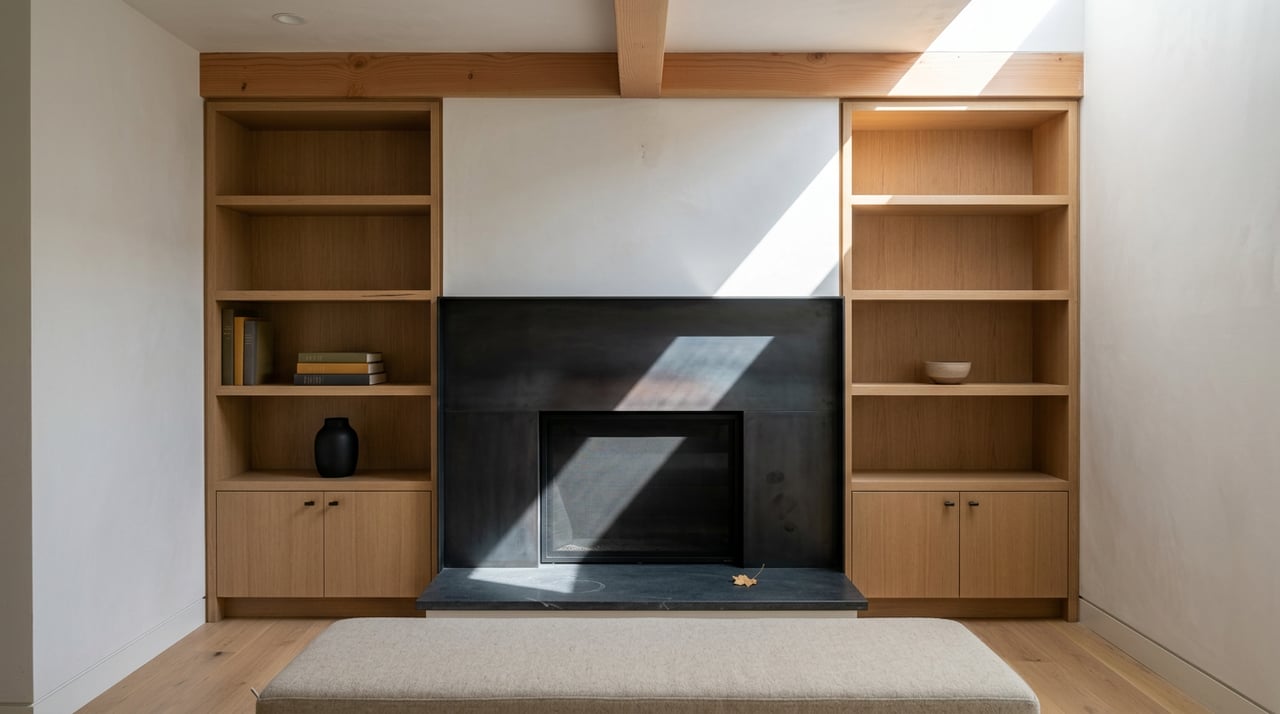
Fireplaces and chimneys: Unsealed flues allow constant heat loss
-
Garage connections: Shared walls frequently lack insulation
Sealing and insulating correctly is one of the most effective energy-efficient home tips for Front Range properties.
Upgrade Windows With Climate in Mind
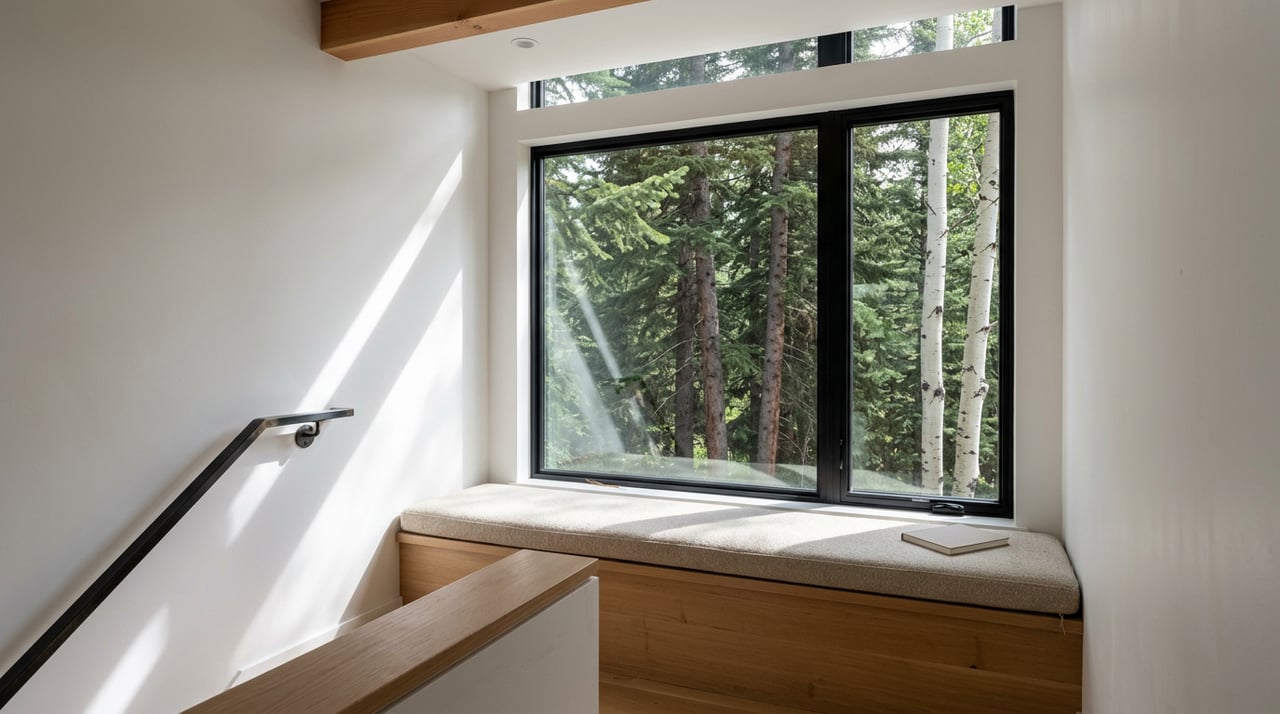
High-altitude UV exposure is intense in both Denver and Boulder, especially in south- and west-facing homes. Older windows allow heat gain in summer and heat loss in winter, forcing systems to work harder year-round.
Window Features That Matter Most
-
Low-E coatings: Reflect UV while maintaining natural light
-
Double or triple panes: Improve insulation without bulk
-
Proper framing: Fiberglass or composite frames outperform aluminum
-
Professional installation: Poor sealing negates window benefits
Window upgrades remain one of the most visible energy-efficient home tips for homeowners planning long-term ownership.
Modernize Heating and Cooling Systems
Many homes in established Denver and Boulder neighborhoods still rely on oversized or outdated HVAC systems. Newer systems are designed for efficiency, zoning, and precise control.
High-Impact System Improvements
-
High-efficiency furnaces: Especially valuable in cold, dry winters
-
Heat pumps: Increasingly popular for Front Range climates
-
Zoned systems: Ideal for multi-level homes
-
Regular maintenance schedules: Prevent efficiency loss
Efficient mechanicals are a direct way to reduce home energy use without sacrificing comfort during seasonal extremes.
Use Smart Technology Strategically
In Denver and Boulder, where solar exposure and temperature vary throughout the day, automation improves performance without constant manual adjustment.
Smart Features That Deliver Real Results
-
Programmable thermostats: Adjust automatically based on routines
-
Smart lighting: Reduce unnecessary power usage
-
Energy monitoring apps: Identify usage spikes in real time
-
Automated window coverings: Control heat gain during peak sun hours
When used intentionally, smart systems help reduce home energy use while maintaining a seamless lifestyle.
Improve Water Heating and Usage
Water heating represents a significant portion of household energy consumption, especially in colder climates. Older tanks lose efficiency quickly, and inefficient fixtures waste both water and power.
Water Efficiency Upgrades to Consider
-
Tankless water heaters: Provide on-demand hot water
-
High-efficiency storage tanks: Retain heat longer
-
Low-flow fixtures: Reduce usage without pressure loss
-
Pipe insulation: Prevent heat loss between the heater and the tap
These improvements align with long-term ownership goals and support resale appeal in eco-conscious Denver and Boulder markets.
Evaluate Solar and Renewable Options
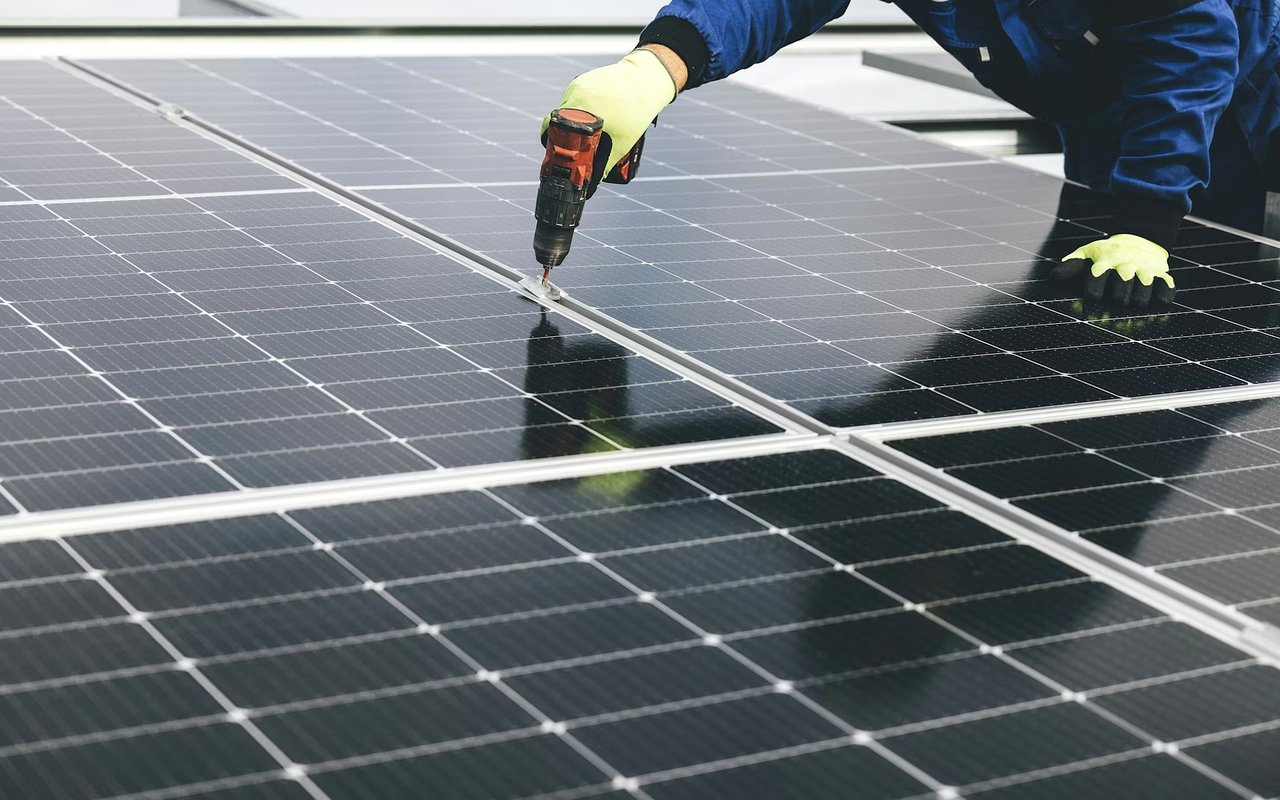
Colorado’s sunshine makes solar energy a logical consideration, particularly in Boulder and south-facing Denver neighborhoods. While solar isn’t right for every property, it plays an increasing role in advanced energy-efficient home tips for the region.
Factors That Influence Solar Success
-
Roof orientation and pitch: South-facing roofs perform best
-
Tree coverage: Shade reduces output
-
Local regulations: HOA and city guidelines vary
-
Battery storage options: Improve reliability and flexibility
Solar installations can significantly reduce home energy use while positioning a property competitively in the market.
FAQs
Do energy-efficient upgrades really impact resale value in Denver and Boulder?
Yes. Buyers consistently factor in operating costs when making purchase decisions, especially for higher-end homes.
Is it better to upgrade systems before selling or leave them to buyers?
Homes with updated systems tend to sell faster and negotiate prices less aggressively.
Are older homes worth upgrading for efficiency?
Absolutely. Many older Denver and Boulder homes benefit the most from insulation, air sealing, and mechanical updates.
Contact The Simple Life Colorado Today
If you’re thinking about improving efficiency before selling or purchasing a home with long-term value in mind, I can help you prioritize the right upgrades. Energy improvements enhance comfort, performance, and positioning your property correctly in the local market.
Reach out to us at
The Simple Life Colorado, and we’ll help you evaluate efficiency upgrades that make sense for your home, your goals, and the realities of Denver and Boulder real estate.