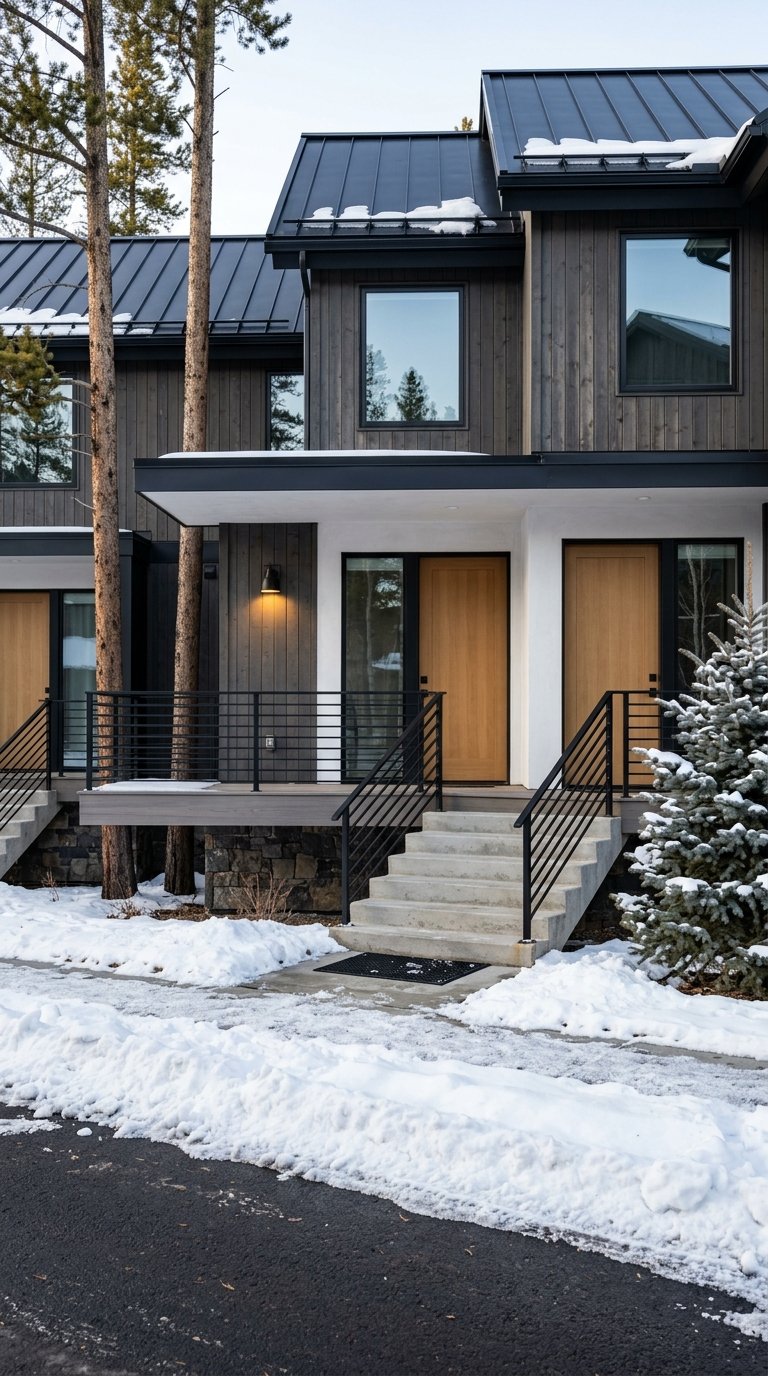
Condo Or Cabin In Winter Park? How To Choose Your Fit
April 16, 2026
April 16, 2026
Choosing between a condo and a cabin in Winter Park is not just about style. It is about how you want to use the property, how much upkeep you want to handle, and whether rental rules, parking, and transit fit your plans. In a mountain market shaped by heavy snowfall, four-season recreation, and different ownership structures, the right choice can make your life much easier. Let’s dive in.
Winter Park is a true mountain environment, and that affects day-to-day ownership more than many buyers expect. Winter Park Resort sits at a 9,000-foot base elevation, reaches 12,060 feet in some terrain zones, and reports 344.6 inches of annual snowfall.
That kind of climate means snow removal, winter access, exterior maintenance, and parking are not minor details. They should be part of your decision from the start, especially if you are buying a second home or a property you will not occupy year-round.
Winter Park is also not only a ski destination. According to official tourism information, the area supports hiking, biking, rafting, fishing, horseback riding, and more, which gives many owners value across all four seasons.
A condo can be a strong fit if you want a simpler ownership experience. Fannie Mae explains that condo owners own their individual unit while jointly owning exterior property and common areas with other owners.
That matters because monthly condo fees often cover exterior repairs, common-area maintenance, and in many cases water, sewer, trash, and amenity upkeep. Some associations also fund insurance or reserve accounts, which can reduce the number of property tasks landing on your plate.
For many Winter Park buyers, the biggest benefit is lock-and-leave convenience. If you want a place for ski weekends, seasonal visits, or occasional rental use, a condo may help you avoid personally managing every exterior issue during snow season.
A condo can be low maintenance, but it is never hands-off. Fannie Mae’s HOA guidance notes that associations set rules, collect fees, and maintain common areas, so you should understand both the benefits and the limits.
Before you buy, make sure you review:
The Consumer Financial Protection Bureau guidance cited by Fannie Mae also points out that HOA dues are usually separate from your mortgage and can range from a few hundred dollars to more than $1,000 per month. That is why comparing total monthly carrying cost matters more than comparing list price alone.
If you picture a more independent mountain-home experience, a detached cabin or single-family home may feel like the better fit. You typically get more control over the property, fewer shared walls, and a more private ownership setup.
That freedom comes with more responsibility. Fannie Mae’s home maintenance guidance shows that owners of detached homes usually handle much more of the exterior structure, plumbing, electrical, HVAC, and routine seasonal upkeep themselves.
In Winter Park, that maintenance burden can be more significant because of the mountain climate. With the resort’s elevation and annual snowfall, owners of detached homes should expect more hands-on involvement with winterization, snow removal, and exterior care than condo owners usually have.
A cabin can make sense if your top priorities are space, privacy, and owner control. It may also offer practical features that matter in Winter Park winters, such as a private driveway or garage.
That can be especially useful because Winter Park’s transit plan notes that overnight parking is restricted on Highway 40 and most town streets from November 1 to May 1. If parking flexibility matters to you, that is worth weighing carefully.
For some buyers, the real answer is neither condo nor cabin. It is a townhome.
Fannie Mae notes that townhomes may share walls or even be detached, and they can still be subject to HOA rules and CC&Rs. In practical terms, that means a townhome can offer a middle ground, with more space and a more house-like layout than a condo, but still some shared maintenance structure.
The key is not the label on the listing. It is the actual community documents. You will want to verify whether the HOA handles exterior care, snow removal, landscaping, and insurance, or whether those responsibilities stay with you.
In Winter Park, location matters almost as much as the home itself. A smaller condo with easier access may fit your life better than a larger cabin that creates transportation or parking headaches.
The valley’s Lift transit system provides free transportation within Winter Park and to Fraser and Granby, with winter and spring service running from 7:30 a.m. to 2 a.m. seven days a week. For buyers who want resort access without driving every time, that can be a major convenience.
If you are buying from the Denver area, transportation may matter even more. The research also notes that Winter Park Express provides seasonal rail service between Denver Union Station and Winter Park Resort, with a trip of about 2.5 hours each way, which can add to the appeal of a low-maintenance, easy-access property.
Rental potential is a big part of the condo-versus-cabin decision, but you need to look at rules before you look at projections. In Winter Park, short-term rental regulations can affect whether a property fits your goals.
Within town limits, stays under 31 days require compliance with local short-term rental rules, including a business license, sales tax remittance, and short-term-rental registration. Starting August 1, 2025, renewals and new registrations must also include proof of a satisfactory fire and life safety inspection by East Grand Fire completed within the prior 12 months.
In unincorporated Grand County, owners need an annual STR permit. The county states that the permit fee is $100 per occupant based on maximum advertised occupancy, up to a maximum occupancy of 16, and applicants must provide two local emergency contacts who are full-time Grand County residents.
Even if a property is allowed to operate as a short-term rental under town or county rules, the HOA or CC&Rs may still limit rentals. That is one reason condo and townhome buyers should review association documents carefully before moving forward.
Fannie Mae specifically advises condo buyers to ask whether the complex is renter-friendly, how much is in reserves, and whether special assessments are pending. If rental income is part of your strategy, those questions should be part of your due diligence from day one.
The right property type usually becomes clearer when you focus on how you will actually use it. Instead of asking which option sounds better, ask which one supports your lifestyle, budget, and ownership comfort level.
A condo may be your best fit if you want:
A townhome may fit if you want:
A cabin may fit if you want:
No matter which direction you are leaning, a few questions can save you time and money.
Start with these:
Those are often the questions that separate a smart purchase from a frustrating one. In a place like Winter Park, where snow, access, and year-round use all matter, the details behind the listing can be just as important as the photos.
If you want help comparing condos, townhomes, and cabins in Winter Park, local guidance can make the process much simpler. The team at THE SIMPLE LIFE COLORADO helps buyers cut through the noise, understand the tradeoffs, and find a property that fits both the way you want to live and the way you want to invest.
Stay up to date on the latest real estate trends.
August 27, 2026
August 20, 2026
August 13, 2026
August 6, 2026
July 23, 2026
July 16, 2026
July 16, 2026
July 9, 2026
July 9, 2026
Partner with us, and let's turn your house-hunting adventure into an exciting journey. Your perfect place is just around the corner, and we're here to help you discover it!