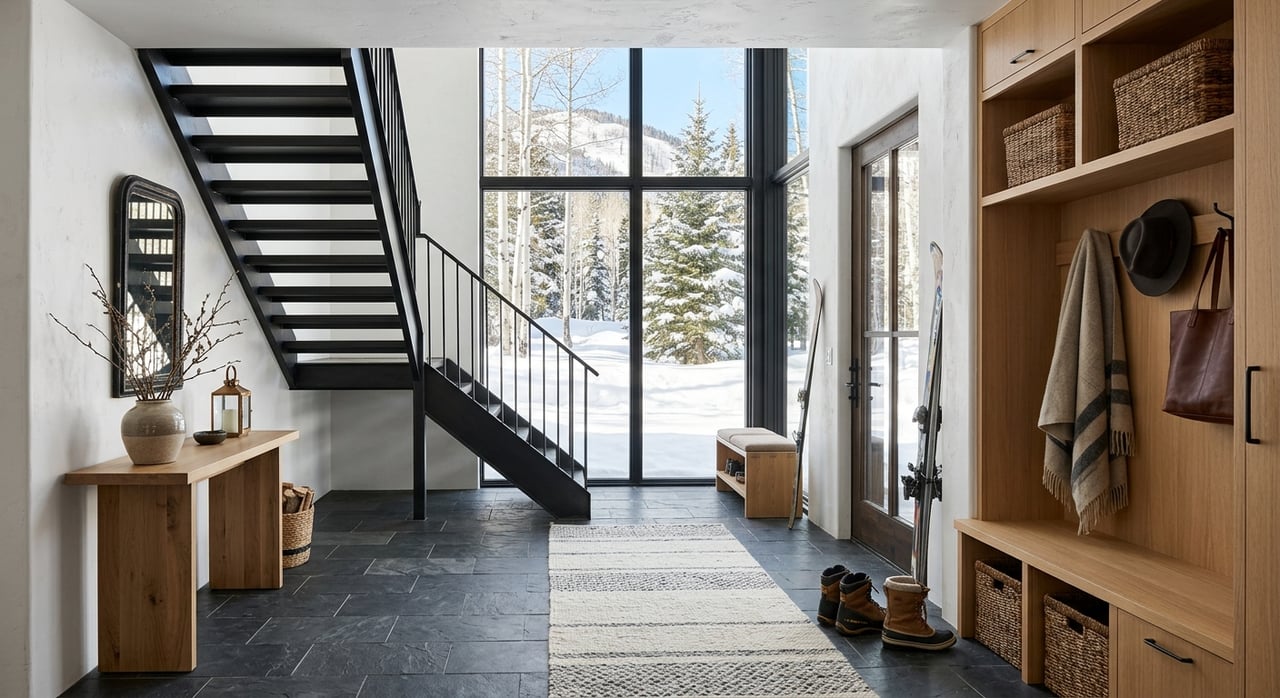
Planning Your Second-Home Purchase In Winter Park, CO
July 2, 2026
July 2, 2026
Thinking about buying a second home in Winter Park? It sounds exciting, and it is, but it also comes with a few mountain-market details that can catch you off guard if you wait too long to plan. If you want a place for ski weekends, summer escapes, or long-term ownership with occasional guest use, a smart timeline and clear strategy can make the process much smoother. Here’s what to know before you start touring so you can move forward with confidence.
For many second-home buyers, a 6 to 12 month planning window is a reasonable place to start. That gives you time to sort out financing, narrow down the type of property you want, and understand the local rules that may affect how you use the home.
That timeline makes sense in Grand County’s current market. In May 2026, recent resale data showed a median sale price of $745,265, an average of 59 days on market, and closings at about 2.56% below asking. In other words, you may not need to rush into the first listing you see, but you do want to be ready when the right fit appears.
Before you fall in love with a property, it helps to understand how lenders usually define a second home. For many conventional loan scenarios, the home generally needs to be a one-unit property that is suitable for year-round occupancy and used by you for part of the year.
It also generally needs to stay under your exclusive control and not function as a rental property or timeshare. If a lender identifies rental income from the property, that income generally cannot be used to help you qualify for the loan. That distinction matters because many buyers like the idea of occasional rental flexibility, but financing rules can shape what is realistic from the start.
One of the biggest mistakes second-home buyers make is starting with showings instead of financing prep. In Winter Park, it is often smarter to understand your price range and loan options before you begin serious weekend tours.
The CFPB recommends asking at least three lenders for preapproval. A preapproval can help show sellers that your financing is likely to come together, but it is not a guaranteed loan offer. You should still compare Loan Estimates before choosing a lender.
If you are looking at a condo, co-op, or planned unit development, financing gets even more specific. Project eligibility and HOA review are not minor details at the end of the process. They can affect whether a property works with your loan strategy at all.
In Winter Park, your intended use of the property should shape your search early. A condo for easy weekend visits may involve different financing and HOA review than a single-family home with more space and maintenance.
You also need to think through whether you want the home only for personal use or whether you may want to rent it in the future. That single decision can change which properties make sense, especially when you factor in town rules, county rules, and project requirements.
One of the most common surprises for second-home buyers is that short-term rental rules depend on where the property is located. A home inside Winter Park town limits follows different rules than a home in unincorporated Grand County.
Inside Winter Park town limits, nightly or sub-31-day rentals require a business license and sales tax remittance. The town also requires short-term rental registration before advertising the property.
Winter Park requires a $150 annual short-term rental registration fee, and the registration number must appear in advertising. Owners also need proof of an annual Fire & Life Safety Inspection, and all registrations expire on September 30.
For properties in unincorporated Grand County, the county short-term rental permit program applies instead. That program is annual, uses a fee of $100 per advertised occupant, caps occupancy at 16, and requires items like two local emergency contacts, a parking plan, proof of liability insurance, bear-proof trash disposal, and fire inspection documentation if applicable.
This split is easy to miss if you are shopping broadly around the valley. It is one reason local guidance matters early, not just after you are under contract.
Winter weekend tours in a resort market can feel fun and spontaneous, but a little planning goes a long way. Winter Park has no overnight parking on town streets from November 1 through May 1, so if you are visiting by car, it helps to think through parking before your trip.
The town also offers free year-round transit, which can make touring and getting around easier. That may not seem like a buying decision at first, but it can give you a more realistic feel for how you and your guests would use the area once you own the property.
Once you find the right home, your preparation work should pay off. You will already have a financing range, a clear use plan, and a better understanding of any HOA or rental limitations that could affect ownership.
During this stage, you should stay focused on the details that matter most for a second home. If you are buying from out of town, make sure inspections, repair requests, and follow-up documentation are handled clearly and early.
The CFPB recommends inspecting the home and confirming that agreed repairs are complete before settlement. That step is especially important when you are not nearby to check progress in person.
As closing gets closer, do not treat the final paperwork as a formality. The CFPB says the lender must deliver the Closing Disclosure at least three business days before closing.
When you receive it, compare it carefully with your Loan Estimate. If any fees or loan terms changed, ask questions right away. The CFPB also notes that some closing services can be shopped, and that taxes and homeowners insurance are commonly part of closing costs.
If you live in Denver, another part of Colorado, or out of state, you may not need to travel for every signing step. Colorado allows remote notarization by an approved Colorado notary, even when the signer is physically outside Colorado, as long as the notary is located within Colorado.
That can make the process much more manageable for second-home buyers balancing work, family, and travel schedules. It is one more reason to build your plan early so the right people and paperwork are in place before closing week.
Closing a home from a distance can be convenient, but it also requires caution. The CFPB warns that mortgage closing scams often show up as last-minute email changes to wiring instructions.
The safest move is to verify payment details using trusted contact information you already have for your real estate and settlement professionals. Do not rely on phone numbers or links inside a suspicious email, even if the message looks urgent.
A second-home purchase does not end at the closing table. In Grand County, property tax notices are mailed once a year, usually in January.
Taxes can be paid in half installments or in full. The first half is due February 28, the second half is due June 15, and full payment is due April 30. Interest accrues at 1% per month after each due date.
If you plan to renovate, the timeline matters there too. Grand County says building permits usually take 2 to 4 weeks, but that can stretch to 6 to 8 weeks during construction season, which typically begins in March.
The county also recommends that out-of-county owners be prepared to make a couple of visits during business hours to complete permit execution. If your second-home plan includes updates right after closing, that timing should be part of your purchase strategy.
Owning in Winter Park also means following local rules that shape daily use. The town’s guidance includes quiet hours from 10 p.m. to 8 a.m., no trash left out overnight, and the seasonal overnight street parking restriction.
These details matter whether the home is just for you, shared with friends and family, or used by guests. They are not hard to manage, but they are much easier to plan for when you know them in advance.
A second-home purchase in Winter Park is not just about finding a beautiful property. It is about matching your budget, financing, ownership goals, and local rules to the right home from the beginning.
That is where local experience can save you time and stress. When you understand the difference between town and county rules, financing limits for second homes, and the practical realities of mountain ownership, you can make better decisions with fewer surprises.
If you are planning your second-home purchase in Winter Park, THE SIMPLE LIFE COLORADO can help you simplify the process, understand your options, and move forward with a clear local strategy.
Stay up to date on the latest real estate trends.
September 24, 2026
September 17, 2026

September 10, 2026

September 10, 2026
September 3, 2026
August 27, 2026
August 20, 2026
August 13, 2026
August 6, 2026
Partner with us, and let's turn your house-hunting adventure into an exciting journey. Your perfect place is just around the corner, and we're here to help you discover it!